
But medicine isn't universal. How a Tongan family thinks about health differs from how a Pākehā individual does? How an iwi approaches wellbeing differs from a private practice?
When your visual identity doesn't match how your community thinks about health, you've created a trust gap. Trust gaps become engagement gaps. Then outcome gaps.
Mainstream healthcare branding assumes:
This works if your community experiences health the same way. It doesn't if they think relationally.
In Tongan culture, wellbeing is collective. It's whānau. Health decisions are made within networks of relationship, not by individuals in isolation.
When a healthcare provider ignores that, they signal: we don't understand how you actually work. This results in lower engagement and screening completion rates, Not because clinical care is poor, but because the community doesn't see themselves in the brand.
This shapes everything. If your brand says community-centred, your visual identity should prove it. If you claim whānau-focused, show healthcare as a collective process, not an individual one.
When a Tongan sees their culture reflected in the branding, they can see; This is for people like me.
Mainstream healthcare messaging is transactional: "Book your appointment." "Manage your condition."
Māori and Pasifika messaging is relational: "Bring your whānau." "Health decisions are made together."
And from a branding point of view it shapes everything from website copy to campaign tone to staff training.
When the Tongan Health Society launched the Langimālie Research Centre traditional Tongan patterns were embedded into the identity - not as decoration, but to signal: This research is rooted in our culture.

When it redesigned Ako Langimālie Preschool, the visual refresh was clearly culturally grounded that non-Tongan families started choosing it specifically for that reason.
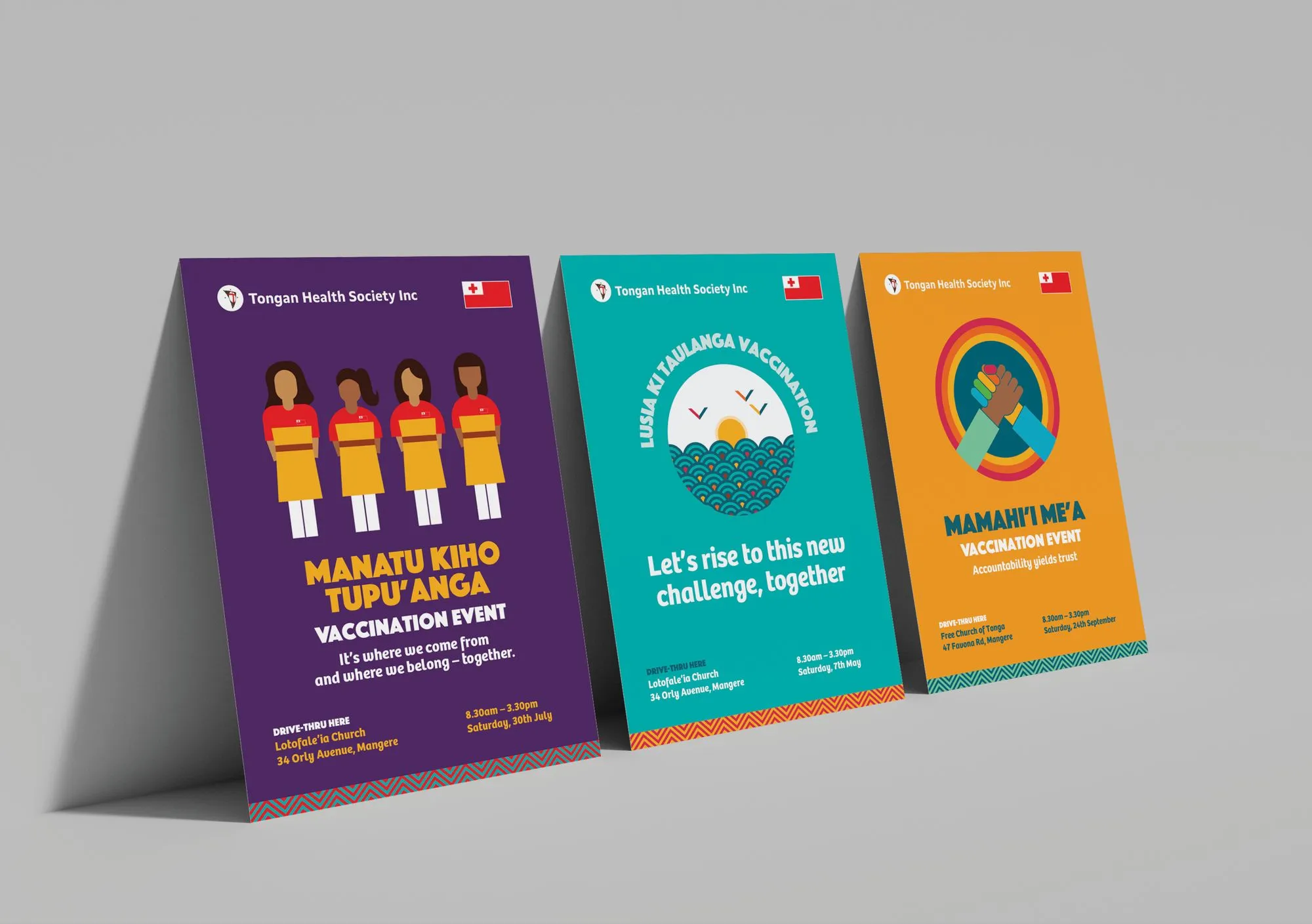
During COVID, the Tongan Health Society’s Pacific Outreach campaign used Tongan faces and community spaces (not clinical settings) to build vaccine confidence. The campaign reached three to four times the registered patient base.
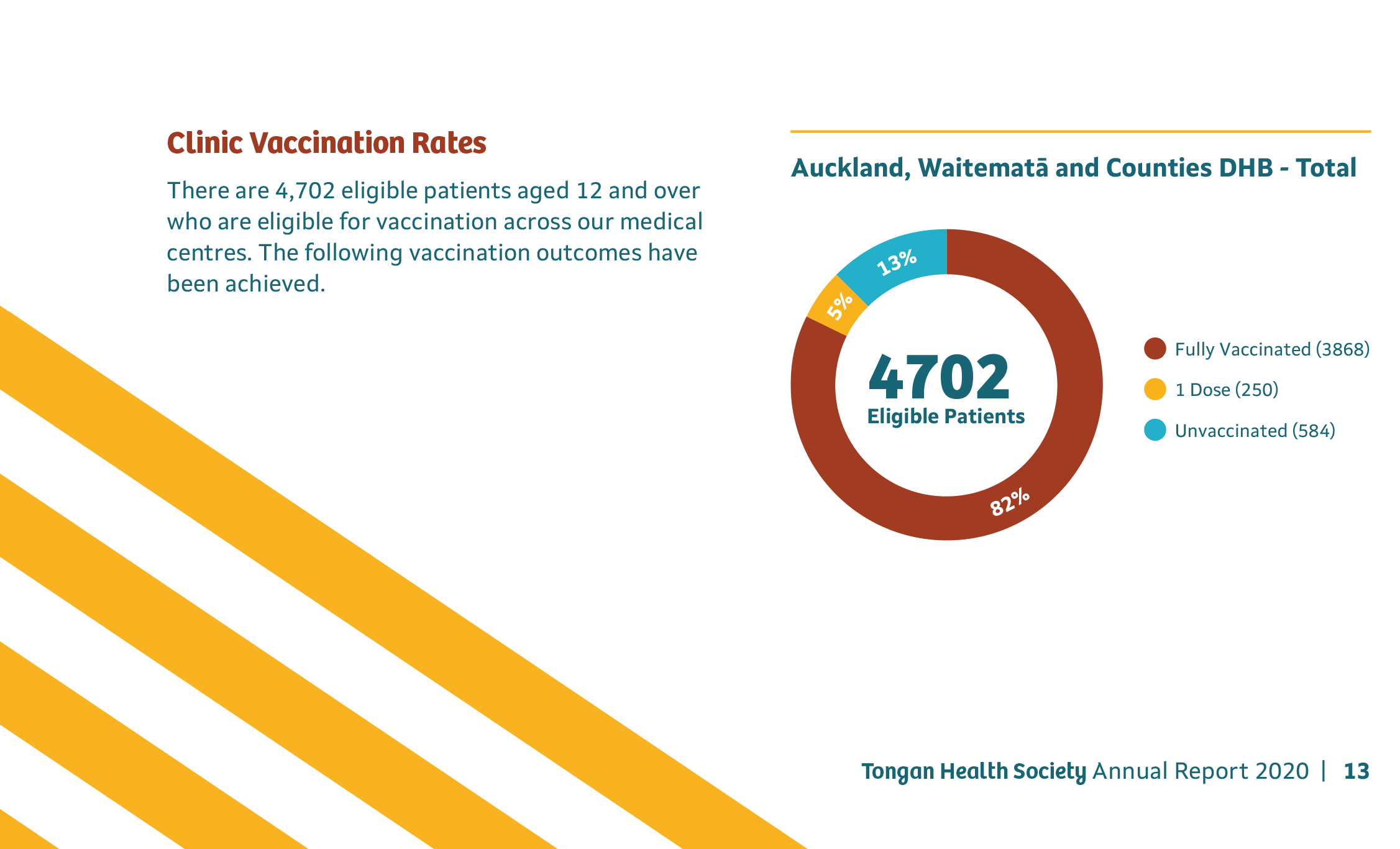
The clinical outcomes included: 95% cardiovascular disease risk assessment rate (second-highest in the Pasifika network), consistent top-tier chronic disease management, patient numbers growing from 4,700 to 8,000+, and 35 new contracts worth $14 million in 2021–22.
Trust built through cultural recognition translates into sustained engagement, which translates into improved health outcomes.
Too many healthcare providers assume branding is secondary to clinical quality. It's not. Branding is integral to how clinical quality gets accessed.
Pacific peoples in Aotearoa New Zealand are less likely to access mainstream mental health services, often because of cultural stigma, systemic barriers, and a lack of culturally safe and responsive care. This highlights a critical gap in our mental health system.
Dr Sarah Kapeli, Pacific lecturer with Waipapa Taumata Rau University of Auckland School of Psychology, Faculty of Science.
You can have the best doctors, integrated services and deep cultural understanding – but if your visual identity doesn't reflect that, your community won't believe you. Cultural aligned visual branding makes what you actually do visible and familiar. It signals safety through recognition.
For public health organisations and iwi health providers, this isn't optional. It's mandatory.
We’ve been the brand agency for the Tongan Health Society for 10 years.
The Society administers four medical centres across Tāmaki Makaurau, a research unit, a preschool, social housing initiatives, community outreach services, specialist clinical services, programmes for the elderly and also runs whānau ora, Mana Kidz and Youth navigation services, amongst others.
Marque have played an important role in elevating our profile amongst all stakeholders and raising the level of engagement we have with our community. They have shown respect to the Pasifika culture, which is reflected in the work they produce for the Society and their sensitivity to cultural engagement over our work programmes.
Dr Glenn Doherty
Chief Executive Officer and Clinical Director, Board Secretary
Tongan Health Society
If you are health provider and need help building cultural visual branding that drives real outcomes, get in touch with Warren: warrenm@marque.co.nz


